
Identity loss
Where did the man go that I used to be?


The pattern, in my words
Identity loss
Your body is not the only thing that changes. Presence fades, the weight creeps up, and the strong, confident man you once saw in yourself moves into the background. From the outside, hardly anyone notices: the results are still there. Inside, your own standards slip, and with them the authority you carry into every room.
What helps
Getting self-trust back through visible progress
Many men believe a lack of self-confidence is a motivation problem. In reality it often arises when they keep resolving to do something and do not carry it out permanently.
Over time trust in oneself starts to sink. Not because discipline or ambition are missing, but because they prove less and less often to themselves that they keep their own decisions.
Self-confidence does not come from good thoughts. It comes from experiencing again and again that you do what you set out to do, also on stressful days.
That is why Built By Norman relies on simple structures and visible progress. Not on perfection, but on habits that stay reliable under high load.
From my own experience
I knew what I should do to steer back. But knowing did not make doing easier. Finding my way back into a healthy rhythm after every stressful phase cost strength. Over time, exactly that began to weaken my trust in myself.
The biggest change was not physical. It showed in my trust. I could rely on myself again. I no longer had to motivate myself every day. The system led me through the day, and that made the difference.
The tool
The NORTHSTAR Contrast Tool
Compensation or alignment? A 60-second reality check.
This tool is neither a test nor an evaluation. It is a thinking aid that makes visible, in less than a minute, whether you are currently building energy and self-leadership, or only bridging your output.
Step 1: Choose a concrete moment from your daily life
Select a typical situation that occurs regularly, not an exceptional case:
Moments
- Tuesday, 6:30 p.m. The last call is over. Your family is waiting at home.
- Thursday. A business dinner or lunch is coming up.
- Sunday evening. The coming week is already running in your head.
- A travel day. Your usual rhythm falls apart.
Answer the next questions the way you would normally act in that situation, not the way you would like to act.
Step 2: Which logic decides?
A) Compensation logic (works short term, destabilizes long term)
- You decide on the spot instead of within a system.
- You try to bridge missing energy with coffee, pressure or “I can push through”.
- You treat your health as something to handle later.
- When your rhythm is interrupted, you feel you have to start over.
- You negotiate with yourself: “Today won’t work. Tomorrow I’ll get back to it.”
B) NORTHSTAR logic (brings you back into alignment, even under pressure)
- You do not debate. You fall back on your standards.
- You ask: “What is the smallest action that protects my direction?”
- You make decisions that make it easy to get back on track.
- You hold your standards because they fit the man you want to be.
- You know not every day goes perfectly, and you stay on course anyway.
Step 3: The decisive insight
If you land mostly in A, this is not a discipline problem. It is a direction problem: you are leading actions, but not your system.
If you land mostly in B, this is not coincidence. You already have the decisive capability: self-leadership through structure.
Step 4: Your NORTHSTAR sentence
Write one sentence. It does not have to be perfect, but usable:
I am the man who ______, even when ______, because ______.
Example: “I am the man who protects his energy, even when the calendar is full, because presence is part of my responsibility.”
This sentence is not a mantra. It is a decision anchor. It replaces daily negotiations with direction.
Step 5: Application in everyday life
In moments of stress, time pressure or uncertainty you do not have to wait for motivation. Ask yourself one question:
Which decision brings me back into alignment, not into compensation?
That one question brings you back to your direction. It is the NORTHSTAR Method in practice: decisions are not made by your mood, but by the identity you are developing.
Why this tool works
This tool is not meant to tell you what to do. It shows you why some decisions work permanently and others keep failing.
You see which habits rest on a clear structure and which only work as long as everything goes to plan. That is the difference. Self-leadership is no longer determined by motivation or willpower, but arises from a system that gives you direction when your day gets demanding.
Which pattern is strongest in you?
Nine statements, two minutes. The NORTHSTAR Assessment names the pattern that dominates in you and what it costs.
Which pattern dominates in me?The programme for this pattern
The Reinvention
24 weeks · €2,100
The Reinvention is for leaders who want to rebuild the man behind the success: twenty-four weeks for the complete transformation.
Which programme rebuilds the man behind the success?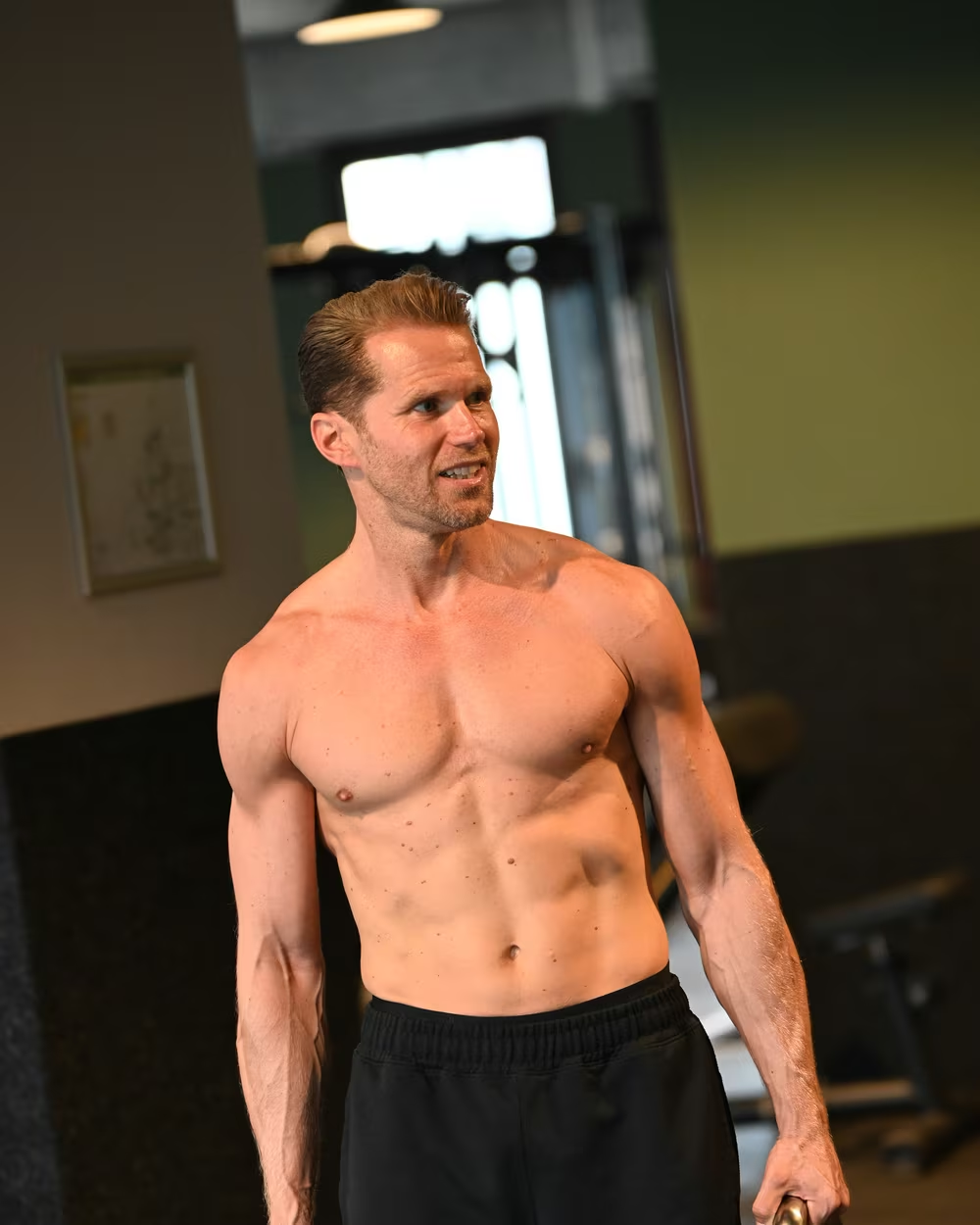
Not medical advice. If you have symptoms, see a doctor.